Featured
Working Out Rate Reductions for Albany New York Medical C...
Preventing Management Mistakes in Broken Arrow Oklahoma
Understanding the Shifts in 2026 Credit Reporting Laws
Why Nonprofit Credit Counseling Wins Over For-Profit Alte...

Why Nonprofit Credit Counseling Wins Over For-Profit Alternatives
Table of Contents
Navigating Credit Difficulties in the local community
Financial shifts in 2026 have actually changed how households manage their monthly commitments. With rates of interest holding at levels that challenge even disciplined savers, the standard techniques of remaining afloat are proving less effective. Many locals in your current region are taking a look at their monetary declarations and seeing a larger portion of their payments approaching interest instead of the primary balance. This shift has actually led to a restored interest in structured debt management programs provided by not-for-profit firms.
The main hurdle in 2026 remains the cost of unsecured credit. Charge card business have changed their risk designs, frequently resulting in greater interest rate for consumers who carry balances from month to month. For those living in your local area, these expenses can rapidly outpace wage growth, developing a cycle where the overall balance remains stagnant despite routine payments. Professionals concentrating on Monthly Payment Reduction recommend that intervention is most efficient when initiated before missed payments start to harm credit rating.
Comparing Combination Loans and Management Programs in 2026
Financial strategies in 2026 frequently involve picking between two distinct courses: debt combination loans and debt management plans. A combination loan includes taking out a new, large loan to settle several smaller sized debts. This technique depends heavily on an individual's credit history and the accessibility of beneficial terms from private lenders. In the present market, nevertheless, protecting a low-interest personal loan has actually ended up being increasingly challenging for those who are currently bring significant debt loads.
Professional Credit Counseling Services provides a structured alternative to high-interest loans by working within the existing creditor relationships. Unlike a loan, a debt management strategy does not involve obtaining more money. Instead, it is a negotiated contract assisted in by a not-for-profit credit counseling company. These firms work with lenders to lower interest rates and waive certain charges, permitting the consumer to pay off the full principal over a set period, usually three to 5 years. For lots of in the surrounding area, this method provides a clear timeline for reaching zero balance without the requirement for a new credit line.
The distinction is substantial for long-term monetary health. While a loan simply moves financial obligation from one location to another, a management plan focuses on systematic payment and behavioral change. Therapy sessions associated with these programs typically include budget plan evaluations that help individuals identify where their money goes monthly. This academic element is a trademark of the 501(c)(3) nonprofit design, which prioritizes customer stability over revenue margins.
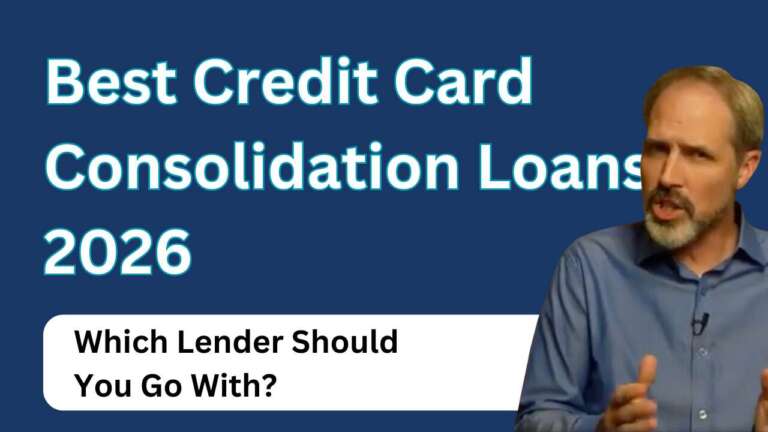
The Mechanics of Interest Rate Negotiation in your local area
One of the most efficient tools readily available to consumers in 2026 is the ability of credit therapy companies to negotiate straight with major banks and card companies. These settlements are not about settling for less than what is owed-- a process that frequently ruins credit-- however about making the repayment terms manageable. By decreasing a 24 percent interest rate to 8 or 10 percent, a program can shave years off the repayment duration and save the customer countless dollars.
People typically search for Debt Relief in New York City when handling numerous lender accounts ends up being a logistical concern. A management plan simplifies this by combining multiple monthly bills into a single payment. The nonprofit agency then distributes that payment to the various creditors according to the worked out terms. This structure minimizes the possibility of late fees and guarantees that every account remains in excellent standing. In the local market, this simplification is typically the initial step toward regaining control over a family budget plan.
Financial institutions are frequently ready to participate in these programs since they choose receiving routine, complete payments over the danger of an account going into default or personal bankruptcy. By 2026, numerous financial organizations have streamlined their cooperation with Department of Justice-approved agencies to help with these plans more efficiently. This cooperation benefits the customer through reduced tension and a foreseeable path forward.
Strategic Debt Payment in across the country
Housing and credit are deeply connected in 2026. Numerous homes in various regions discover that their ability to certify for a mortgage or keep their current home depends on their debt-to-income ratio. High credit card balances can inflate this ratio, making it tough to gain access to favorable real estate terms. Nonprofit companies that supply HUD-approved housing counseling typically integrate financial obligation management as part of a larger technique to stabilize a household's living situation.
The effect on credit ratings is another aspect to consider. While a debt management plan requires closing the accounts consisted of in the program, the consistent on-time payments normally assist reconstruct a credit profile gradually. Unlike debt settlement, which includes stopping payments and letting accounts go to collections, a management plan shows a commitment to honoring the original financial obligation. In the eyes of future loan providers, this difference is vital.
- Lowered rates of interest on credit card accounts.
- Waived late fees and over-limit charges.
- Single regular monthly payment for multiple unsecured debts.
- Expert guidance from licensed credit counselors.
- Education on budgeting and financial literacy.
As 2026 advances, the function of financial literacy has moved from a high-end to a need. Comprehending the difference between secured and unsecured debt, the impact of intensifying interest, and the legal protections available to consumers is vital. Nonprofit agencies serve as a resource for this details, using services that surpass simple debt payment. They offer the tools required to avoid future cycles of debt by teaching individuals how to build emergency situation funds and manage money flow without depending on high-interest credit.
Long-Term Stability Through Structured Preparation
The decision to get in a financial obligation management program is frequently a turning point for families in the local area. It marks a shift from reactive costs to proactive preparation. While the program requires discipline-- specifically the dedication to stop utilizing credit cards while the strategy is active-- the outcome is a debt-free status that supplies a structure for future saving and investment.
Financial advisors in 2026 highlight that there is no one-size-fits-all service, but for those with considerable unsecured debt and a stable income, the structured technique of a not-for-profit strategy is typically the most sustainable choice. It prevents the high costs of for-profit settlement companies and the long-term credit damage of insolvency. Instead, it provides a middle path that stabilizes the requirements of the consumer with the requirements of the creditor.
Success in these programs depends on transparency and constant interaction with the therapist. By examining the budget quarterly and making changes as living expenses alter in your region, individuals can stay on track even when unexpected expenditures emerge. The objective is not simply to settle what is owed, but to exit the program with a different viewpoint on how to use credit in a manner that supports, instead of impedes, monetary development.
Ultimately, the role of financial obligation management in a 2026 monetary technique is to provide a clear exit from high-interest responsibilities. By concentrating on principal reduction and interest settlement, these plans permit residents in the surrounding community to reclaim their income and concentrate on their long-lasting objectives. Whether the goal is purchasing a home, saving for retirement, or simply lowering everyday stress, a structured payment strategy provides the framework essential to accomplish those ends.

Table of Contents
Latest Posts
Working Out Rate Reductions for Albany New York Medical Costs

Preventing Management Mistakes in Broken Arrow Oklahoma

Understanding the Shifts in 2026 Credit Reporting Laws
More
Latest Posts
Working Out Rate Reductions for Albany New York Medical Costs
Preventing Management Mistakes in Broken Arrow Oklahoma
Understanding the Shifts in 2026 Credit Reporting Laws